Blog
 Field notes: the week the revetments filled up and nobody said why
A field-notes essay on the analyst's worst kind of signal: aircraft moving into revetments with no notice, no exercise, no explanation.
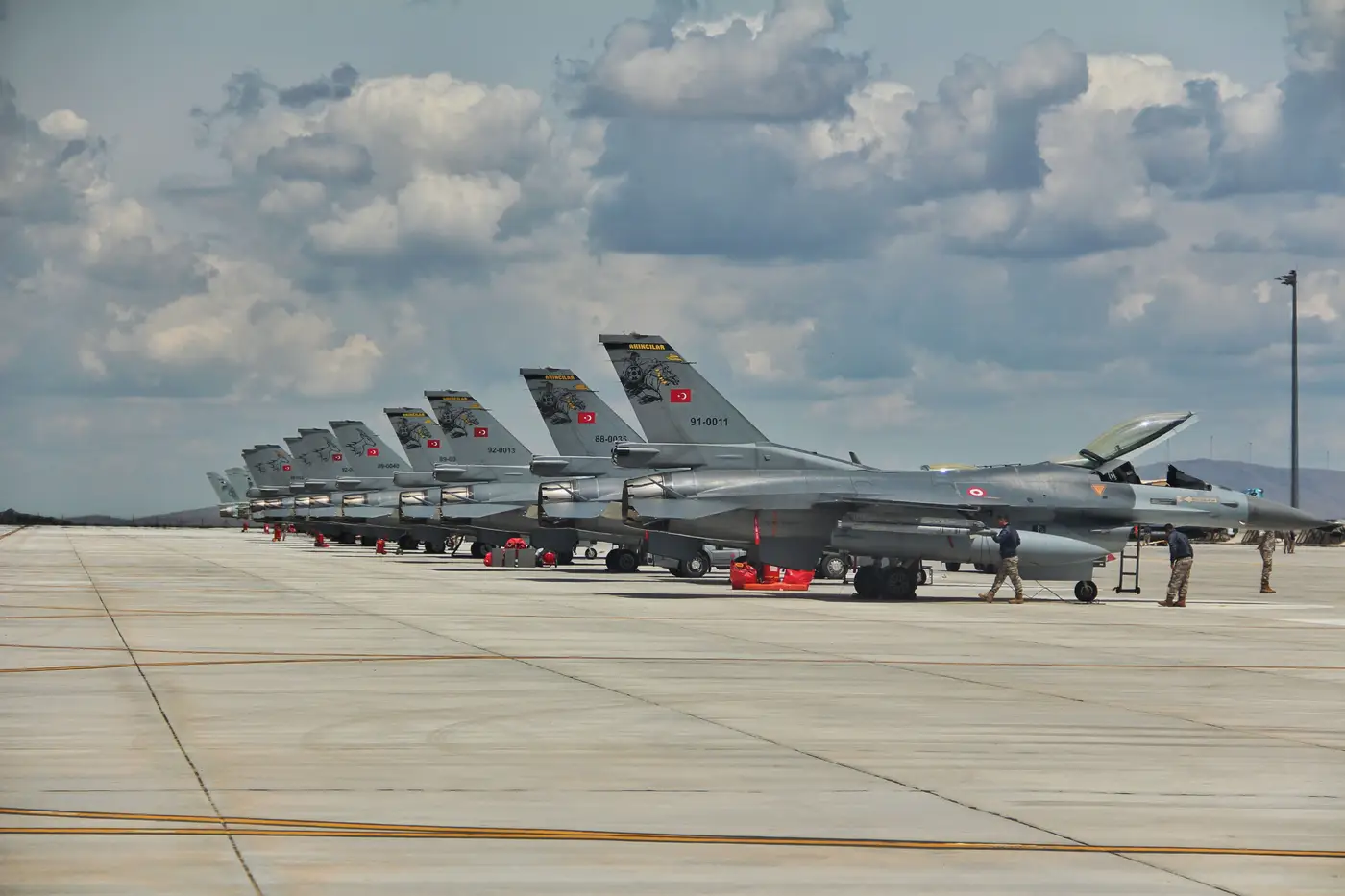 Alert apron vs. parking apron: what the difference means in imagery
Alert aprons (QRA aprons) and parking aprons look similar in VHR imagery but signal different things. Here's how to tell them apart and why it matters.
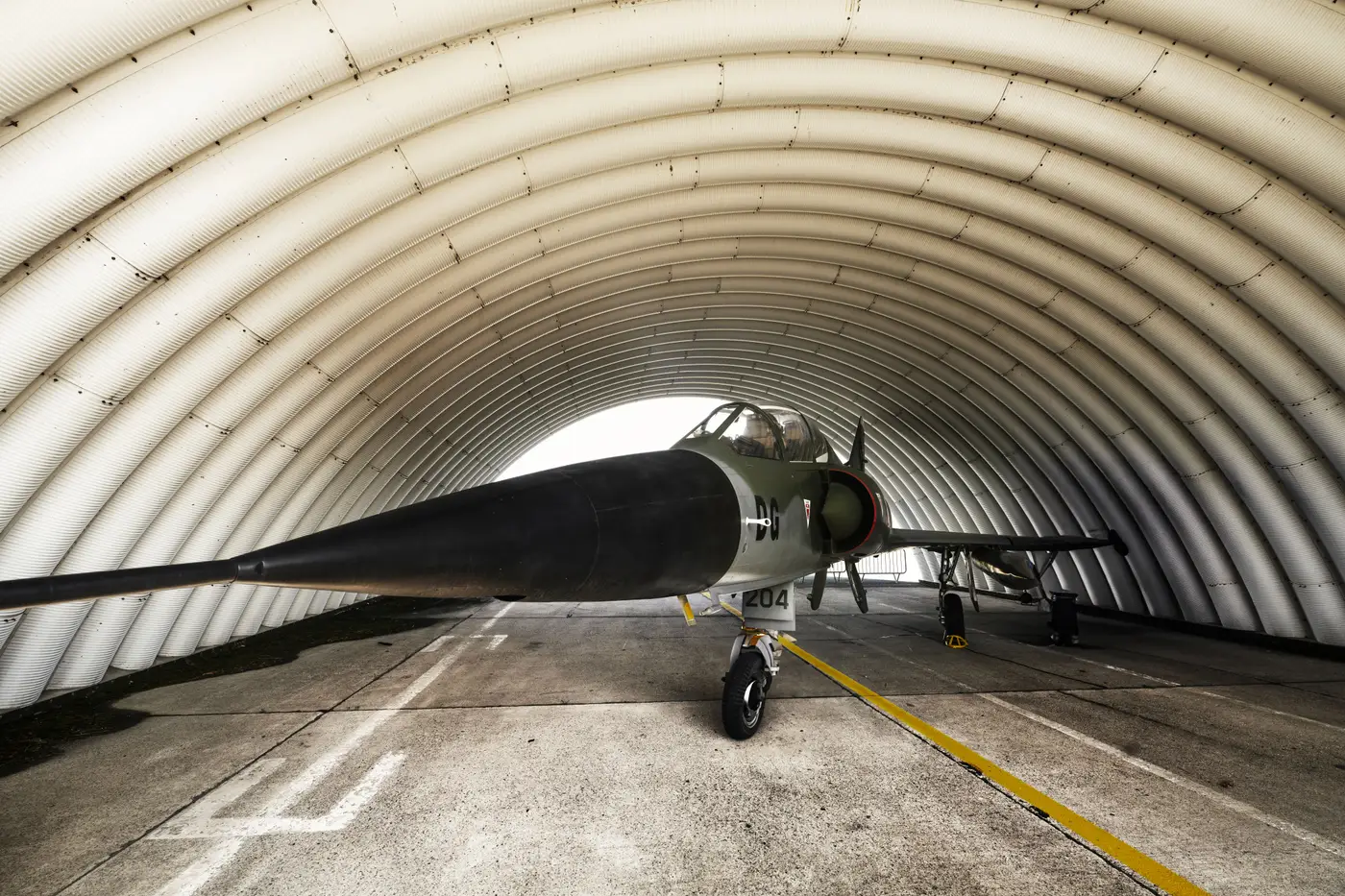 FOL vs MOB: what actually separates a forward operating location from a main base
A plain-language breakdown of forward operating locations versus main operating bases, and what each looks like from overhead on a given day.
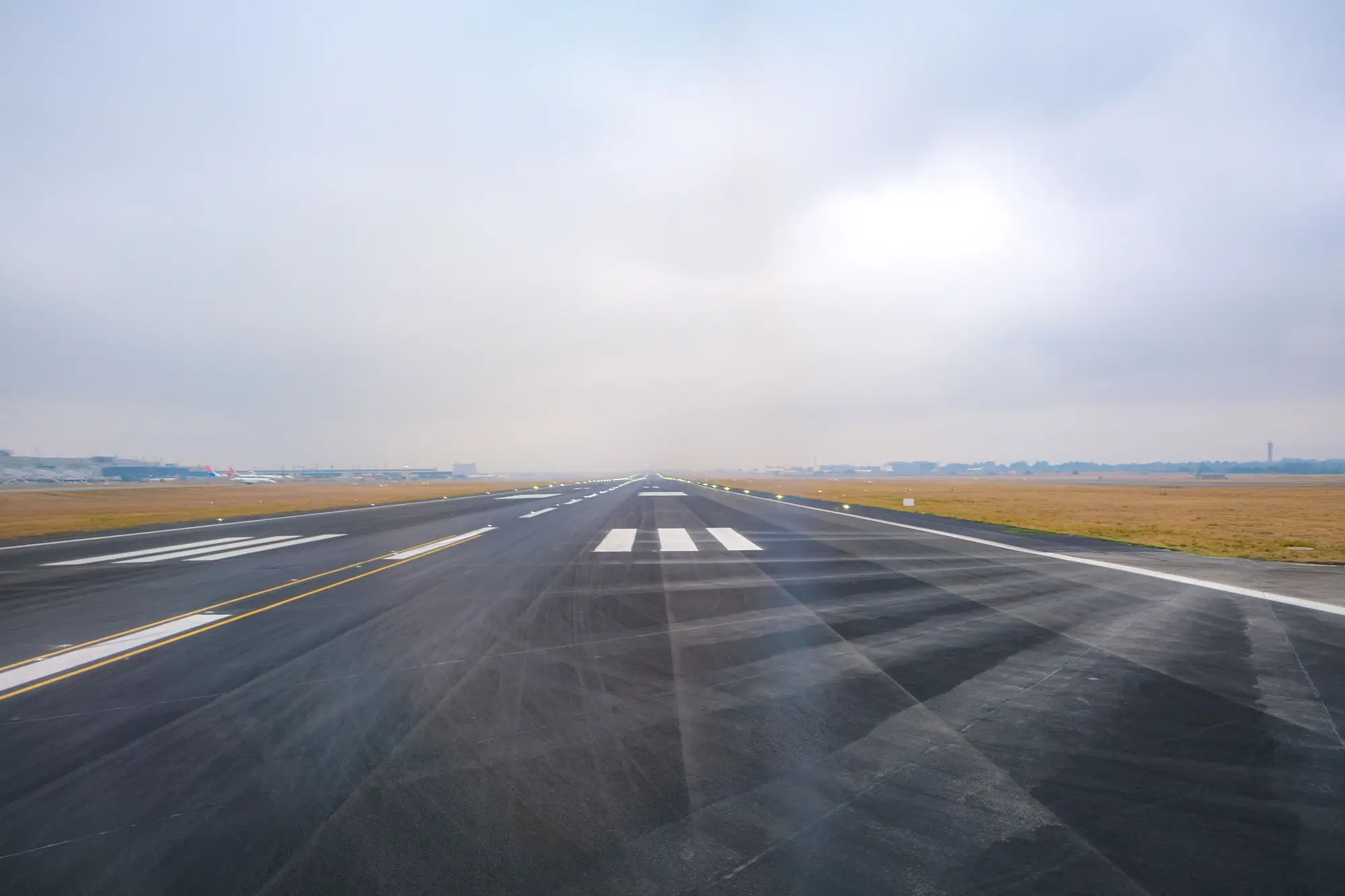 What is sortie generation rate, and why a daily apron count misses it
Sortie generation rate measures tempo, not aircraft present. Here's why a single daily apron count can't capture it, and what imagery can show instead.
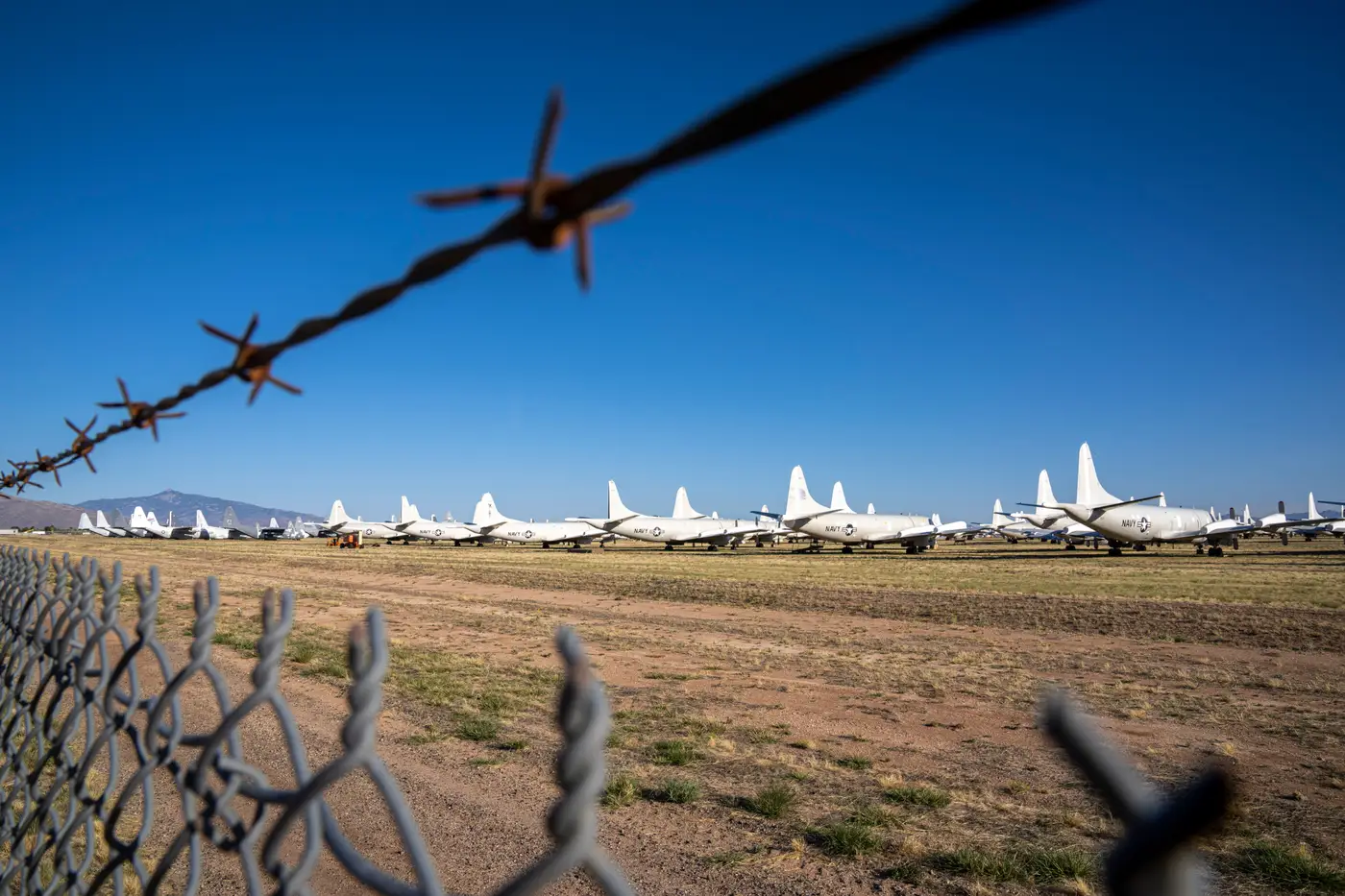 Field notes: the week a training exercise emptied the apron for three days
A field-notes read on exercise surges, the apron count drop they cause, and why the returning baseline matters more than the dip itself.
- Squadron rotation or permanent basing change: reading the apron
How to distinguish a temporary squadron rotation from a permanent basing change using apron turnover, type mix, and support infrastructure cues.
- How to build a daily imagery log for a named airfield
A working method for keeping a running log of aircraft counts, shelter status, and runway changes at one airfield, day over day.
- SAR vs optical imagery for airfield monitoring through cloud cover
SAR sees through cloud, optical gives you readable counts. A practical look at the tradeoff for daily airfield change tracking.
- How to estimate runway length needed for a given aircraft type
How to work out the minimum runway length an aircraft needs, from fighters to heavy transports, and what a runway extension signals.
- Notes from the overnight pass: why cadence beats resolution
Why the real gap in airfield monitoring isn't sensor resolution but the days between collects, and what that means for catching change early.
- How to tell an active runway from a disused one in satellite imagery
How to read surface condition, vegetation, and shadow cues in VHR imagery to tell an active airfield from a disused one.
- What is a dispersal pan on an airfield?
A plain-language breakdown of dispersal pans, how they differ from hardstands, and why the distinction matters when reading airfield imagery.
- How often do commercial satellites revisit a military airfield?
Revisit rates for commercial optical constellations over a named airbase, and why the gap between passes matters more than the headline number.
- What is a hardstand? Airfield layout, dispersal, and apron compared
What a hardstand is in airfield layout, how it differs from apron, and why dispersal construction is a posture signal worth tracking.
- How to count aircraft on an apron from satellite imagery
A working method for counting aircraft by type on an apron from VHR tiles, and where manual tile counts tend to fall apart.
- How to spot new runway construction in satellite imagery
How to recognize runway and taxiway construction phases in satellite imagery, from first grading to threshold extensions.
 Revetment or blast pen? Telling them apart in VHR imagery
How to distinguish earthen revetments from blast pens in satellite imagery using shape, shadow, and construction cues.
- What is a hardened aircraft shelter? A glossary entry for imagery analysts
A working definition of hardened aircraft shelters, how they differ from open revetments, and what to look for when reading them off VHR imagery.