What is sortie generation rate, and why a daily apron count misses it
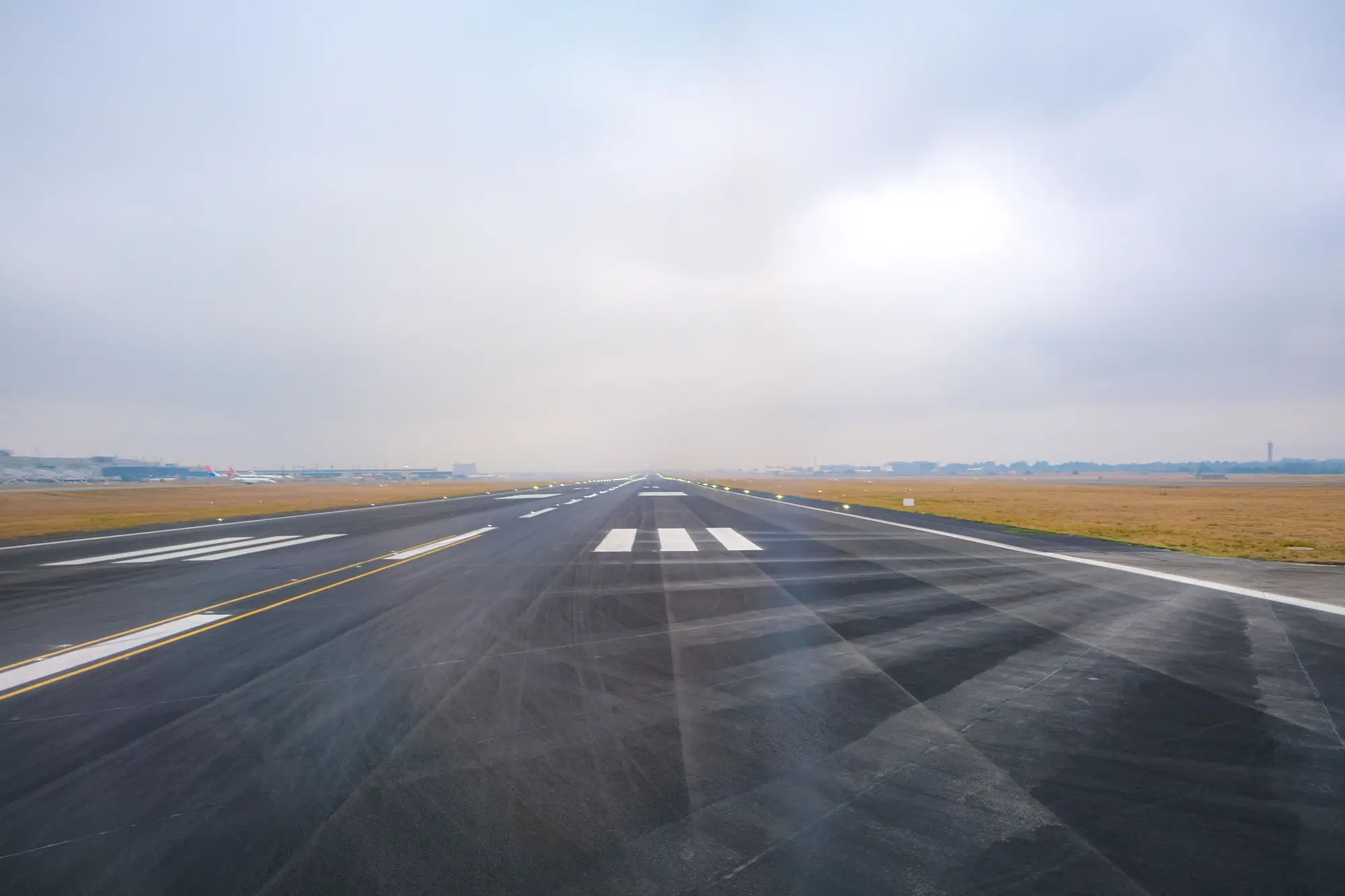
Sortie generation rate is a flight-ops term before it's an imagery term, and that's worth saying up front. It's the number of sorties a wing can launch, recover, turn, and launch again inside a given window, usually expressed as sorties per aircraft per day. A squadron with a high SGR is flying often, with ground crews turning jets fast enough that airframes don't sit idle between cycles.
That's a tempo number. It comes out of maintenance scheduling, munitions loading timelines, aircrew crew-rest cycles, and runway or taxiway throughput, none of which show up directly in a satellite pass.
What a daily apron count actually gives you
A daily VHR pass over a named airfield gives you a count: so many fighters on the apron, so many in the revetments, so many transports on the ramp, logged against a timestamp. Compared against yesterday's count, or last week's, that tells you whether the order of battle at that field looks different. It's a real signal. Deployments show up as a jump in aircraft present. Drawdowns show up as a drop.
What it doesn't tell you is how many of those aircraft flew that day, how many times each one flew, or how fast the field turned them around between sorties. A base with six jets generating eighteen sorties a day can look identical in a morning pass to a base with six jets that flew once and sat. Unless the pass happens to catch the field mid-cycle, with the apron visibly thinner than the revetment count would predict, the counts alone don't separate "parked" from "flying constantly and landing before the next pass."
Where the gap actually bites
The gap matters most at exactly the moment it's hardest to close: when a base is surging. A unit preparing for a strike package or sustaining a high-tempo CAP doesn't necessarily add airframes. It runs the ones it has harder. Aircraft generation and sortie generation are different numbers for a reason: you can hold aircraft count flat and still double tempo if maintenance and munitions crews keep pace.
A single daily image catches a single state. Two images a day, timed around known local flying windows, start to catch the turn. Enough consecutive days of counts, read against revetment occupancy and any runway or shelter construction underway, start to look less like a snapshot and more like a shift in posture, even without ever directly measuring a sortie.
What you can actually reconstruct from imagery alone
Nobody is going to count sorties off a tile. What a disciplined daily log can reconstruct is the apron-level pattern tempo leaves behind: aircraft present trending down while revetments stay full, which reads as aircraft out flying rather than redeployed. Apron counts that swing harder day to day than a static garrison would. A field that clears its apron entirely during a window it's normally parked solid.
None of that is a sortie-generation figure. All of it is the kind of change an analyst flags for follow-up, which is usually the actual job. That's the honest ceiling on what daily optical imagery does. It won't hand you a rate. It will hand you the "something changed here" that tells you where to point the next question, which is the gap Airfield Activity is built to narrow, by turning a day's tile into a logged count against yesterday's instead of a fresh manual read every time.
If tracking that gap field by field is part of your week, it's worth putting Airfield Activity's daily log on the base you watch.